

Heater Safety Tips: Protecting Your Home and Family
- Colette Lenehan
- Heaters
- 18 Dec 2025
- Reading time: 15 minutes
As the temperatures start to drop, most of us rely on heaters to keep our homes warm and toasty.
But heaters can also be a real fire hazard - especially if you don’t use them as per manufacturers instructions and advice.
And it’s not just about following the instructions that come with your heater - it’s about keeping your family safe from some potentially life-altering consequences.
Here we have some tips and checks for you to make sure you are on top of safety in your home this winter.
Maintain Proper Clearance
The most crucial rule in heater safety is maintaining a minimum 3-foot clearance from curtains, furniture, bedding, and other flammable materials. This safe distance applies to all sides of the heater, not just the front-facing direction.
Items nearby such as papers, clothing, and decorative objects can quickly ignite when exposed to heat over time, even at relatively low temperatures.
This clearance rule becomes especially important with different types of heaters. Fan heaters and other forced-air units circulate warm air in multiple directions, while radiant heaters emit intense heat directly toward objects in their path.
Regardless of the heating method, combustible materials within three feet face a significantly higher fire risk
Protecting Children and Pets
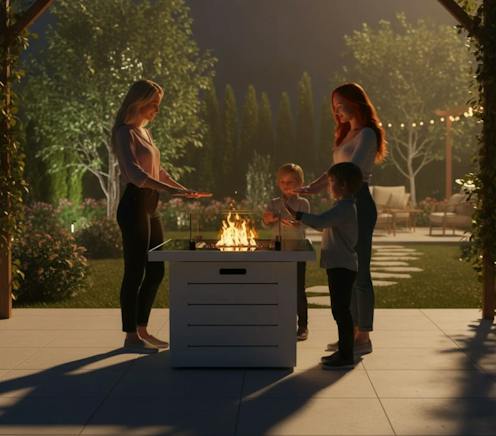
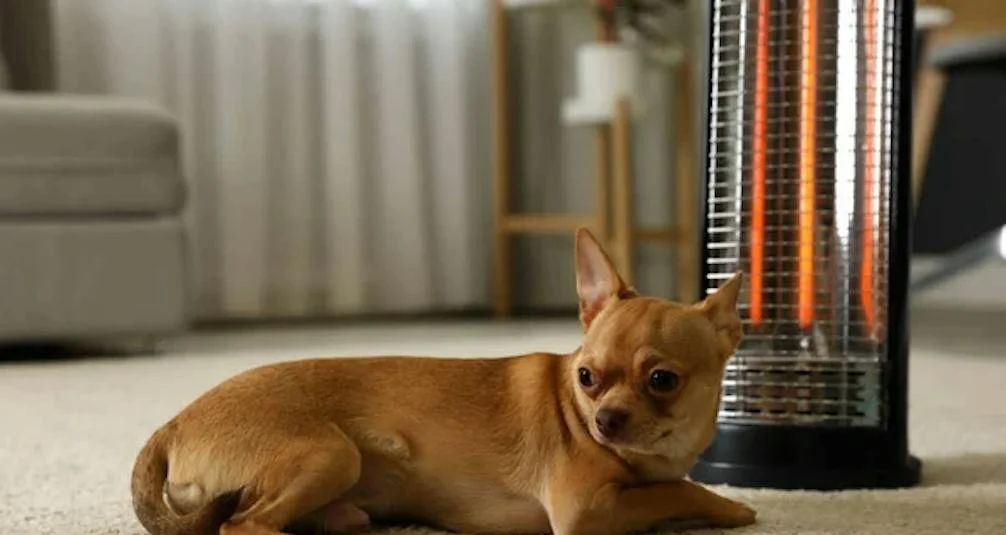
Keep children and pets away from heaters to prevent burns and accidental contact. Young children are naturally curious about warm objects and may not understand the danger of touching hot surfaces.
Create a designated kid-free zone around all heating equipment, and consider using physical barriers when necessary.
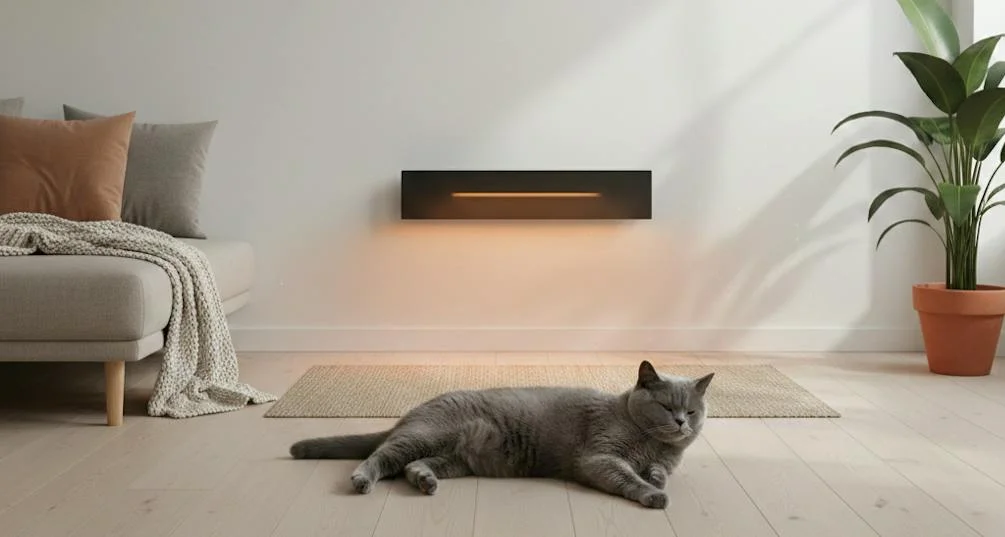
Pets can also pose risks by knocking over heaters or lying too close to hot surfaces.
Train pets to stay away from heating areas, and always supervise interactions between animals and heating equipment.
Strategic Placement and Supervision
Place heaters on level, stable surfaces away from high-traffic areas where they can be knocked over. A level surface ensures proper operation of safety features like tip over switches while reducing the likelihood of accidental contact.
Avoid placing units on furniture, beds, or soft surfaces that can obstruct vents or create instability.
Never, ever, leave heaters running when sleeping, leaving home, or unattended for extended periods. This rule applies to all portable heating devices, regardless of their safety features. Unattended heaters pose risks that even the best safety technology cannot fully eliminate.
Many fatal fires occur during overnight hours when families are asleep and unable to respond quickly to developing emergencies.
Power Management and Electrical Safety
Unplug your heater when you’re not using it. This is one of the easiest ways to stay safe - it eliminates the risk of power surges, electrical malfunctions, or the heater getting switched on by accident. Make a habit of unplugging your heater whenever you leave the house.
Never plug your heater into an extension cord or power strip, as these can overheat and cause a fire hazard. Always plug heaters directly into a wall outlet.
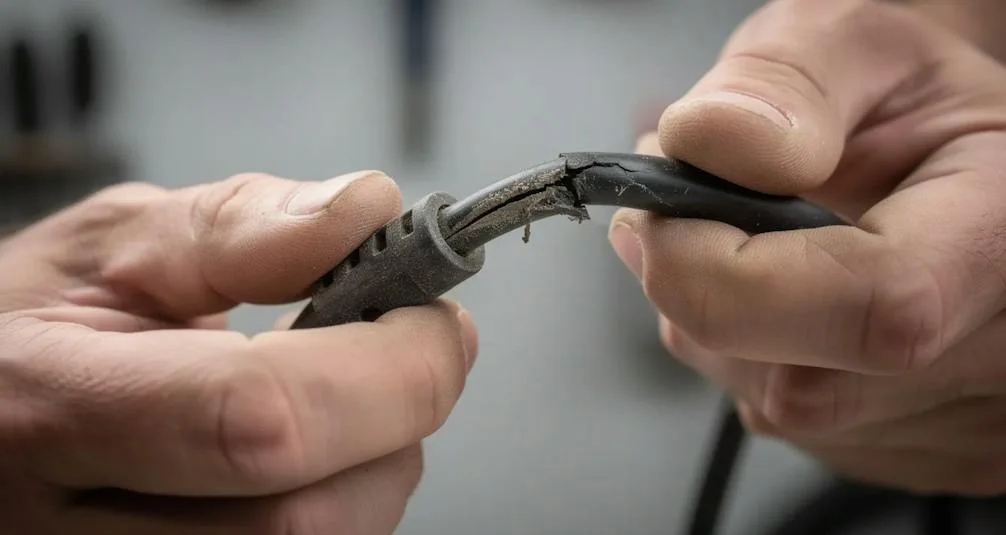
Take a close look at your heater cord every now and then - look for signs of wear and tear like frayed cords, exposed wires, or overheating. If you spot any damage, act on it, do not ignore the signs.
Choosing Safe Heater Models
Selecting the right heater involves more than just considering heating capacity and price. The safety features built into modern heating appliances can mean the difference between safe operation and a dangerous accident.
Some heaters, such as halogen heaters, use infrared radiation to warm objects directly. These are effective for providing supplemental heat in small spaces, but require careful placement to avoid fire hazards.
Oil-filled radiators are a popular choice for bedrooms and living rooms because they stay cool on the outside, reducing the risk of burns. They are also considered relatively low risk and low risk for fire hazards because they lack exposed heating elements, making them a safer option for longer use.
Essential Safety Certifications
When you're shopping for a new heater, make sure it's got some proper safety certifications. That means it's been tested for things like electrical safety, fire resistance, and overall performance. Don't skimp on the safety features - get a heater that's been certified and has a good safety record.
Take the time to check for the safety certifications that are current and legitimate. Some products might have spurious safety labels on them, so make sure you buy from a reputable manufacturer and retailer.
Critical Safety Features
Look for automatic tip-over shut-off switches that turn off the unit if knocked over. This feature is particularly important in households with children, pets, or in rooms where the heater might be accidentally bumped. Test this feature before each heating season to ensure it functions properly.
Choose models that come with overheat protection - essentially, they'll automatically shut down if the internal temperature gets too high. This can help prevent fires and damage to the unit.
Surface Safety and Design
Make sure the heater itself has a cool-touch exterior, so you don’t have to worry about anyone burning themselves on it. It’s really important around little ones and areas where people might bump into it by accident.
Be cautious with radiators whilst children are present, as the surface can still become hot even after the unit is turned off.
Give some thought to oil-filled radiators if you do really need an overnight heater - these things retain heat when they’re turned off, and they usually stay pretty cool on the outside, making them safer for longer-term use.
Safety Tips by Heater Type
Different heater technologies present unique safety considerations and require specific precautions. Understanding these differences helps you operate each type safely and effectively
Electric Space Heaters
Electric heater safety begins with proper electrical connections and power management. Plug directly into wall outlets rated for the heater’s amperage requirements, never into extension cords or power strips. Most portable electric heaters draw 1,000 to 1,500 watts, which approaches the capacity limits of standard household circuits.
Check that electrical circuits can handle the heater’s power draw without overloading. Using the same outlet for multiple high-power appliances can overload circuits and create fire hazards. Each electric heater should have its own dedicated outlet whenever possible.
Ensure heating elements are properly enclosed and not exposed. Exposed heating elements pose burn and fire risks, especially around children and combustible materials. Modern electric heaters should have protective grills or housing that prevents direct contact with hot elements.
Clean dust from vents and heating elements monthly to prevent fire hazards. Dust accumulation can impair airflow and cause components to overheat. Use compressed air or a vacuum cleaner to remove dust buildup, but always ensure the unit is unplugged and completely cool before cleaning.
Replace older units that may lack modern safety features. Older electric heaters may not include current safety technology and may have deteriorating internal components that increase fire risk.
Ceramic and Fan Heaters
Ceramic and fan heaters need plenty of air to work properly - so keep the intake and exhaust vents clear of dust and debris. Don't allow the airways to becomed blocked up - that just forces the heater to work harder and get hotter.
Make sure there's enough space around the unit for proper airflow - these fan heaters need a clear path to operate safely and efficiently. Don't put them in tight spaces or up against walls where the air can't get in.
Add cleaning fan blades into your regular maintenance routine - you don't want them getting stuck or unbalanced and putting extra pressure on the motor. It's the way to prevent problems down the line.
If the heater starts making odd noises - like grinding or squealing - then it's probably got a problem that needs sorting. Shut it off, unplug it, and get it checked out before using it again.
Position the heater away from areas where dust and debris tend to build up. Places near workspaces or areas where people are always coming and going can be hot spots for dust and lint that can create fires.

Infrared and Radiant Heaters
Position units to avoid direct heat exposure to people, furniture, and decorations. Halogen heaters are a type of infrared heater that use halogen-filled bulbs to produce radiant heat, making them effective for quickly warming small areas. However, they should be placed carefully to avoid fire hazards. Infrared heaters emit focused radiant energy that can cause burns or ignite combustible materials when positioned incorrectly. Always consider the heat pattern when placing these units.
Never aim radiant heaters at beds, chairs, or areas where people sit for extended periods. Prolonged exposure to radiant heat can cause burns even at temperatures that initially feel comfortable. The surface temperature of skin and materials can build up over time, leading to injury or ignition.
Ensure reflector panels are clean and properly positioned. Dirty or misaligned reflectors can create hot spots or reduce heating efficiency. Clean reflective surfaces regularly and verify they’re securely mounted and correctly aimed.
Maintain extra distance from synthetic materials that can melt or ignite easily. Plastics, synthetic fabrics, and foam materials are particularly vulnerable to radiant heat and may ignite at lower temperatures than natural materials.
Use only in well-ventilated areas to prevent heat buildup. While infrared heaters don’t produce combustion gases, they can create localized hot spots in poorly ventilated spaces that may affect nearby materials or create uncomfortable conditions.
Gas Heaters
Install carbon monoxide detectors in rooms where gas heaters operate. Carbon monoxide is a colorless, odorless gas that can be deadly even in relatively low concentrations. Properly functioning CO alarms provide essential early warning of dangerous gas accumulations.
Ensure proper ventilation to prevent carbon monoxide accumulation. Gas heaters consume oxygen and produce combustion gases that must be adequately vented. Never use unvented gas heaters in small or poorly ventilated spaces, and always follow manufacturer ventilation requirements.
Have gas connections inspected annually by qualified technicians. Professional inspections can identify potential problems with gas lines, fittings, or heater components before they become dangerous. Schedule these inspections at the beginning of each heating season.
Store propane cylinders outdoors away from heat sources and direct sunlight. Propane containers should never be stored inside homes or attached garages where gas leaks could accumulate. Keep cylinders in well-ventilated outdoor areas protected from extreme temperatures.
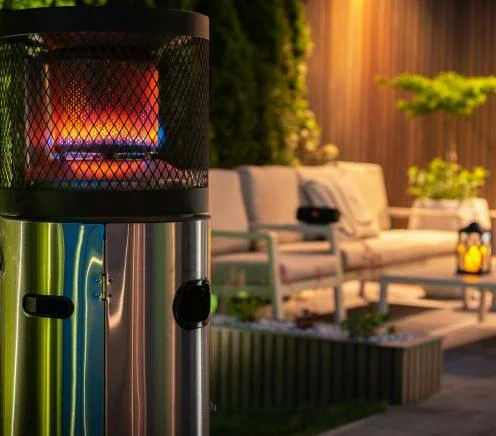
Never use outdoor gas heaters inside homes or enclosed spaces. These devices are designed for outdoor use with unlimited ventilation and will produce dangerous carbon monoxide levels in enclosed areas. This includes garages, even with doors open.
Check for gas leaks regularly using soapy water on connections. Apply soapy water to gas fittings and connections; bubbles indicate gas leaks that require immediate attention. Never use open flames to check for gas leaks.
Installation and Maintenance Safety
Proper installation and regular maintenance form the backbone of safe heater operation. These practices ensure that safety features function correctly and help identify potential problems before they become dangerous.
Initial Setup and Operation
Read manufacturer instructions completely before first use. Each heater model has specific requirements and limitations that must be understood for safe operation. Pay particular attention to clearance requirements, electrical specifications, and intended use limitations.
Test all safety features like tip-over switches and overheat protection before each heating season. Verify that these critical systems function properly by gently tilting units to activate tip-over switches and monitoring operation to ensure overheat protection works correctly.
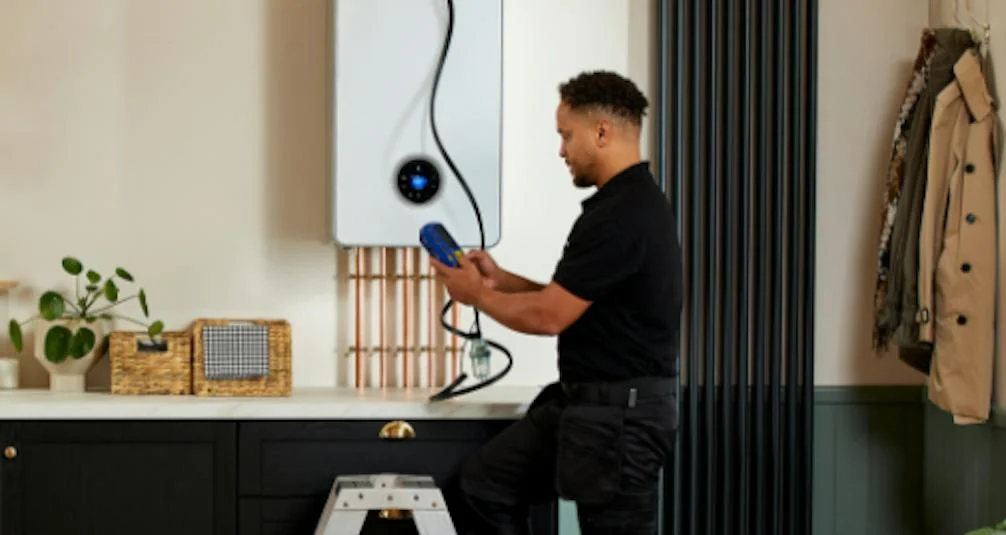
Follow proper installation procedures for permanent heating equipment. Central heating systems, wall-mounted units, and built-in heaters require professional installation to ensure compliance with building codes and safety standards. Never attempt to install gas or permanently mounted electric heating equipment yourself.
Regular Maintenance Practices
Clean heater exteriors and vents weekly during use periods. Regular cleaning prevents dust accumulation that can impair function and create fire hazards. Use appropriate cleaning methods for each heater type, always ensuring units are unplugged and cool before maintenance.
Inspect all electrical connections and components regularly. Look for signs of overheating, corrosion, or damage around plugs, switches, and control panels. Pay attention to any changes in how controls feel or respond during operation.
Store heaters in dry locations during off-seasons to prevent moisture damage. Humidity and moisture can damage electrical components and create safety hazards. Use original packaging or protective covers when storing heaters for extended periods.
When to Seek Professional Help
Replace damaged power cords immediately rather than attempting repairs. Electrical repairs on heating equipment should only be performed by qualified professionals. Attempting DIY electrical repairs can create serious safety hazards and may void warranties.
Schedule professional inspections for permanent heating installations annually. Central heating systems, gas fireplaces, and other fixed heating equipment require professional maintenance to ensure safe operation. These inspections typically include checking combustion systems, venting, and safety controls.
Contact qualified technicians for any gas-related issues or concerns. Gas heating problems require specialized knowledge and equipment to diagnose and repair safely. Never attempt to repair gas components or connections yourself.
Emergency Prevention and Response
Know all the exit routes from each room and that getting low to the ground is the best way to avoid smoke. Make sure every family member knows the drill and that you practice this a few times a year... especially with children.
Learn how to turn off the power or the gas when an emergency strikes. Know where the main electrical panels and gas valves are and make sure whoever's in charge can figure out how to turn it off safely. Make a note of where everything is and keep some tools close by if they will be required.
Make a plan for getting in touch with emergency services and family members if things go wrong. Save those numbers in your phone and ensure everyone knows who and how to call for help.
Have a designated spot outside the house where everyone can meet up if you do ever have to evacuate.
Detection and Alarm Systems
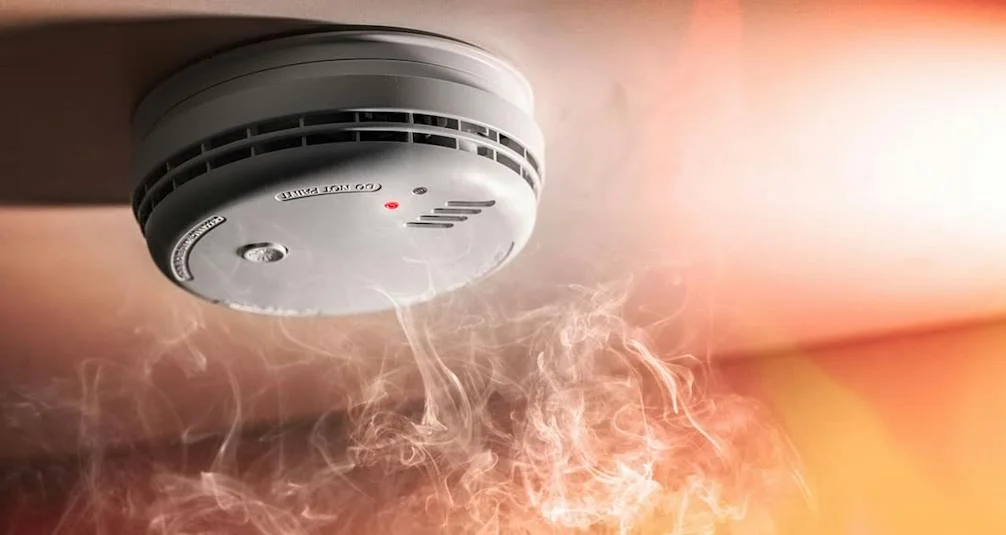
Install smoke detectors within 10 feet of heating areas and test monthly. Smoke alarms provide critical early warning of developing fires, giving families time to evacuate and call emergency services. Replace batteries annually or as indicated by low-battery alarms.
Position carbon monoxide detectors near sleeping areas and in the same room as gas-powered heating equipment. CO poisoning often occurs during sleep when victims cannot detect symptoms or respond appropriately. Detector placement near bedrooms ensures alarms will wake sleeping occupants.
Verify that smoke alarms and CO detectors are appropriate for your home’s layout and heating equipment. Some detectors are designed for specific applications or room types. Consult manufacturer guidelines and local fire safety recommendations for optimal placement.
Fire Suppression Equipment
Keep fire extinguishers rated for electrical fires (Class C) accessible near heating equipment. Standard water-based extinguishers are dangerous to use on electrical fires and may cause electrocution. Ensure family members know the location and proper use of appropriate fire suppression equipment.
Maintain clear access to fire extinguishers and emergency shutoffs. During an emergency, every second counts. Remove obstacles that could delay access to safety equipment or prevent quick shutdown of heating systems.
Consider installing automatic fire suppression systems in areas with high fire risk. Some commercial and residential properties benefit from sprinkler systems or other automatic suppression technologies, especially in areas where heating equipment operates frequently.
Emergency Response Planning
Develop and practice home escape plans in case of heater-related fires. Every family member should know multiple exit routes from each room and understand the importance of staying low to avoid smoke inhalation. Practice escape plans regularly, especially with children.
Know how to quickly shut off electricity or gas supplies in emergencies. Locate main electrical panels and gas shutoff valves, and ensure responsible family members understand how to operate them safely. Mark shutoff locations clearly and keep necessary tools nearby.
Establish communication plans for contacting emergency services and family members. Program emergency numbers into phones and ensure everyone knows how to call for help. Make sure everyone knows the designated meeting points outside the home where family members can gather safely.
Critical Response Procedures
Never use water on electrical heater fires - disconnect power and use appropriate extinguisher. Water conducts electricity and can cause electrocution when used on electrical fires. If you cannot safely disconnect power, evacuate immediately and call emergency services.
Contact emergency services immediately for any heater-related fires or carbon monoxide symptoms. Don’t attempt to fight large fires yourself, and never delay calling for professional help. Carbon monoxide poisoning requires immediate medical attention and source elimination.
Evacuate immediately if you suspect gas leaks or carbon monoxide accumulation. Leave the area quickly, avoid operating electrical switches or devices that could create sparks, and call emergency services from a safe location away from the building.
The Key Reminders
Always leave at least 3 feet of breathing room around heaters and never leave them running when you’re not around.
Get yourself a heater with safety features like a tip-over switch, overheat protection, and a certification to prove it. Uncertified equipment may be cheaper but it is a false economy when it comes to heaters.
If you live in Ireland, be aware that electrical heaters have to stick to some strict safety standards - the Low Voltage Directive and S.I. No. 343/2016. These rules are in place to keep you and your family safe from electrical products that could do you harm.
Never use extension cords or power strips with your heaters. They are not suitable for the job.
Smoke and carbon monoxide detectors are an absolute must-have in any room where you’ve got heaters going, especially if you’re using gas heaters.
The figures are sobering: heating equipment is the fifth leading cause of home fires in Ireland. But the good news is that most of these fires can be prevented with a bit of basic knowledge and some careful attention to safety.
Whether you’re using a portable heater to warm up a single room, relying on central heating to keep your whole house warm, or running gas-powered radiators to keep your home snug, this guide is here to help you stay safe this winter. From spotting potential fire hazards to choosing the right safety features and keeping a safe distance from flammable materials, these tips will help keep your home safe all through
FAQ
Can I use a space heater in my bathroom? Most electric space heaters should not be used in bathrooms due to moisture and electrical safety concerns. Only use heaters specifically rated for bathroom use with proper protection.
How long can I safely run a space heater continuously? Never run space heaters unattended or overnight. Most manufacturers recommend limiting continuous operation with periodic breaks to prevent overheating.
Is it safe to use multiple heaters on the same electrical circuit? No, multiple heaters on one circuit can cause dangerous overloading. Each heater should be plugged into a separate circuit rated for its power requirements.
What should I do if my heater starts making unusual noises? Turn off and unplug the heater immediately. Unusual noises often indicate mechanical problems or overheating. Have the unit inspected by a professional before using again.
How often should I replace my portable heater? Replace heaters older than 10 years or if they show signs of damage, frequent overheating, or lack modern safety features like tip-over switches and overheat protection.
Related posts