

Office Beanbags Ireland: A Practical Guide for Tech HR Leaders
- Colette Lenehan
- Beanbags
- 9 Mar 2026
- Reading time: 12 minutes
Introduction: Why Office Beanbags Belong in Irish Tech Workplaces
Irish tech companies all over the country face a familiar challenge: attracting and retaining top talent while making the office worth the commute. Gallup’s latest global data shows that only 23% of employees feel genuinely engaged at work—a figure that translates directly into productivity gaps, higher turnover, and recruitment headaches for HR teams already stretched thin.
Here’s where office beanbags come in—not as a gimmick, but as a legitimate component of modern workplace chill out furniture strategies. Forward-thinking leaders are discovering that well-designed breakout seating does more than fill empty corners. It signals a culture that values flexibility, comfort, and the kind of informal collaboration that drives innovation in tech environments.
At Outdoor Living, we’ve helped businesses transform underused office corners into inviting spaces where teams actually want to gather. With physical showrooms where HR managers can test fabrics and sizes in person, plus fast delivery across Ireland, we make it easy to source corporate-friendly beanbags that look professional and last through heavy use.
From Gimmick to Strategy: The Business Case for Office Beanbags
Every piece of breakout area seating in your office needs to justify itself, finance teams want to know how furniture purchases translate into productivity gains, improved retention rates, and stronger engagement scores. The good news? Beanbags deliver on all three fronts when used thoughtfully.
First, they create natural spaces for informal collaboration. When developers need a quick code review or product managers want to hash out priorities between sprints, formal meeting rooms feel excessive.
Second, relaxed seating environments support creative problem-solving. Environmental psychology research consistently shows that physical comfort reduces cognitive load, freeing mental energy for divergent thinking.
Third, visible investment in employee comfort strengthens your talent pipeline. In Ireland’s competitive tech labour market, candidates notice office environments during interviews. Thoughtfully designed breakout spaces communicate a people-first culture that supports your broader employee value proposition.
This isn’t about following trends. Activity-based working, third spaces, and agile environments are established workplace design principles. Beanbags fit naturally into these frameworks as versatile, modular elements that adapt to changing team needs.
Functional Breakout Areas: How Beanbags Improve the Way Tech Teams Work
Unlike formal conference spaces with their structured seating and implicit hierarchies, breakout areas invite spontaneous interaction and flexible use.
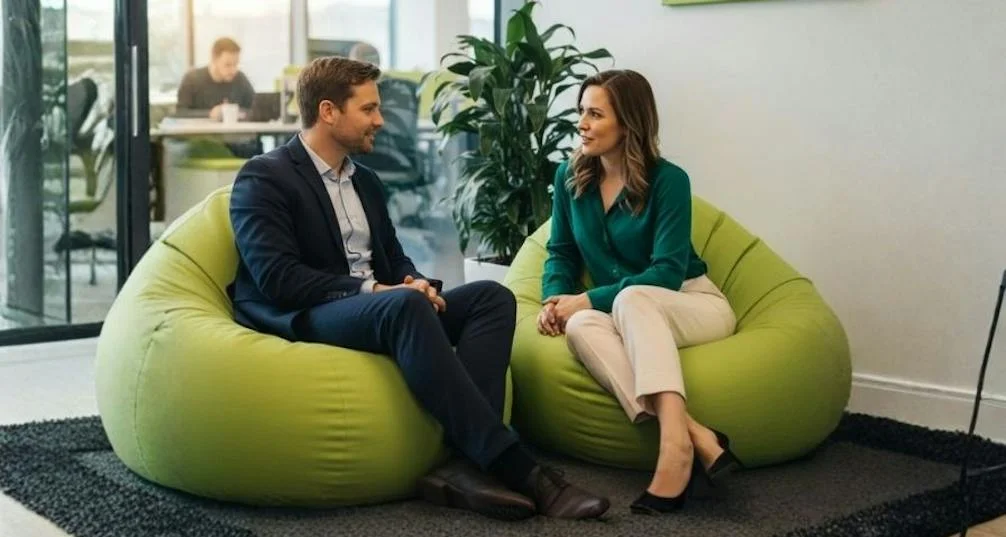
Beanbags excel in these environments precisely because they’re informal. When a senior engineer and a junior developer both sink into beanbags at roughly the same level, the power dynamic shifts. Reviews become conversations rather than evaluations.
The flexibility factor matters enormously. Unlike fixed sofas or heavy lounge chairs, beanbags can be dragged into clusters for impromptu stand-ups, then scattered back to quiet corners when individuals need focused thinking time.
When positioning beanbag areas, aim for locations within sight of the main open-plan floor but slightly removed from primary noise sources. Near windows with natural light works well, as do quiet corners or spaces adjacent to internal courtyards. The goal is accessibility without constant distraction.
Here’s how tech teams actually use these spaces:
- Lunchtime learning sessions where informal seating encourages participation
- One-to-ones in a neutral, comfortable setting
- Cross-functional huddles where product, design, and engineering align quickly
- Mental reset breaks between intensive sessions or difficult meetings
Designing Effective Breakout Zones in Offices
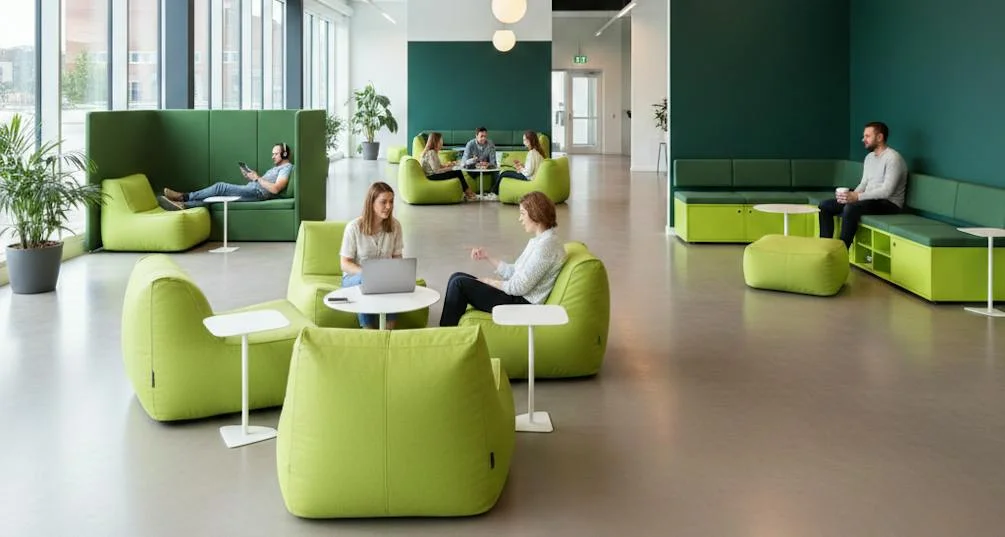
Practical space planning makes the difference between beanbag zones that thrive and those that gather dust.
Consider three distinct zone types.
Quiet reflection corners work well with two or three beanbags arranged facing away from foot traffic—ideal for solo decompression or private calls.
Collaboration clusters of four to six beanbags support small team discussions and impromptu workshops.
Mixed zones combine sofas with structured beanbag seating.
Circulation space matters for both accessibility and safety. Leave clear walkways around beanbag zones, avoid blocking sightlines to emergency exits, and ensure paths to key office routes remain unobstructed.
Relaxed Seating, Psychological Safety & Creativity in Tech Teams
Psychological safety—the belief that you can speak up without fear of punishment or embarrassment—is essential for high-performing tech teams. Harvard professor Amy Edmondson’s research shows that teams with high psychological safety learn faster, innovate more, and catch problems earlier. For engineers, designers, and product teams who need to raise concerns about technical debt or flag potential issues, this matters enormously.
Workplace chill out furniture like beanbags contributes to psychological safety in subtle but meaningful ways. When everyone sits at roughly the same level with no “head of the table,” implicit hierarchies soften. Junior team members feel more comfortable contributing ideas. Senior leaders become more approachable.
Creativity research supports this connection between physical comfort and cognitive openness. Informal, comfortable settings facilitate divergent thinking—the kind of expansive, possibility-generating mental mode that innovation requires. Rigid, formal seating tends to encourage convergent thinking, useful for decision-making but limiting for ideation.
Picture a design sprint held in a beanbag zone rather than a sterile conference room. Product discovery workshops where participants lean back, gesture freely, and build on each other’s ideas. Retrospective sessions where staff feel genuinely free to be honest about what’s not working.
In hybrid environments, well-designed beanbag areas serve another purpose: they make in-person days feel worthwhile. When employees can have experiences in the office that they simply can’t replicate at home—genuine connection, spontaneous collaboration, comfortable informal spaces—the commute starts to make sense.
Wellbeing Micro-Breaks Between Sprints
Intensive development work creates cognitive load that accumulates throughout the day. Five to ten minute micro-breaks away from screens in a dedicated beanbag corner support mental recovery during demanding sprints. This isn’t indulgence—it’s maintenance.
Workplace wellness guidance consistently supports regular short breaks for maintaining focus and reducing cognitive overload. The challenge is creating environments where taking breaks feels natural and acceptable, not like slacking off.
HR teams can trial simple policies that normalise these pauses. Encourage staff to take “soft seat breaks” between back-to-back meetings. Suggest decompression time in chill-out zones after major deployments or difficult stakeholder calls. Model the behaviour you want to see.
At Outdoor Living, our beanbags are designed with supportive, durable construction that works for repeated short sessions throughout the day. The filling maintains shape and support even with constant use across multiple employees.
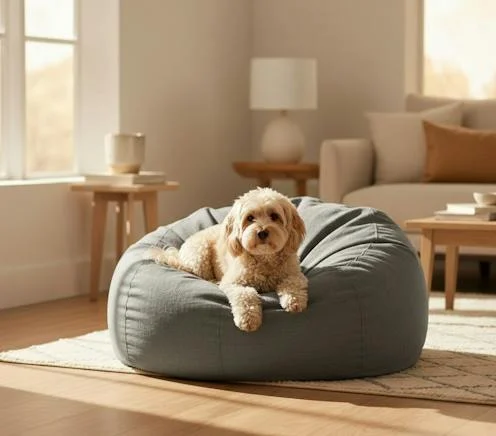
For decompression spaces, consider visually calming designs: neutral tones in charcoal or stone, soft textures, nearby plants, and lower lighting levels. These environmental cues help signal to the nervous system that it’s time to recover.
Morale, Retention & Talent Attraction: Measuring the Impact
In Ireland’s competitive tech labour market, office design has become part of employer branding. Candidates forming impressions during onsite interviews notice the spaces where they might spend their working hours. Visible, inviting beanbag areas signal modernity, employee-centricity, and a work culture that values wellbeing alongside output.
HR teams can track the impact of breakout space investments through multiple channels. Pulse surveys measuring office satisfaction provide baseline data and post-implementation comparisons. Usage tracking—even informal observation of which zones see consistent traffic—indicates whether investments are landing. Changes in engagement scores across “workplace environment” dimensions offer longer-term metrics.
Comfortable breakout seating also strengthens informal networking across teams. When product managers, engineers, and designers have natural spaces to interact outside formal meetings, relationships deepen. This cross-functional connection supports internal mobility and reduces the turnover risk that comes when employees feel siloed or disconnected.
The retention arithmetic is straightforward. Mid-level engineers and product managers are expensive to replace—recruitment fees, onboarding time, and productivity ramp-up often exceed six months’ salary. A modest one-off investment in quality breakout seating that contributes to keeping even one key employee pays for itself many times over.
Corporate-Friendly Beanbag Designs for Irish Offices
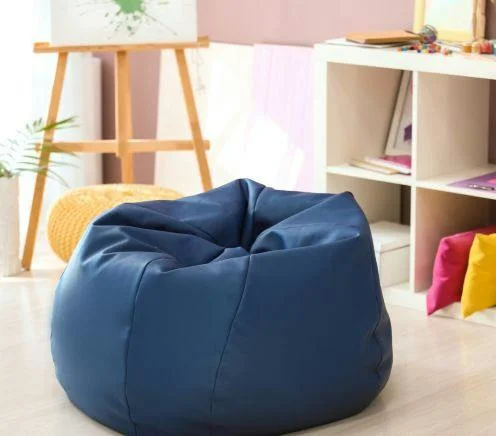
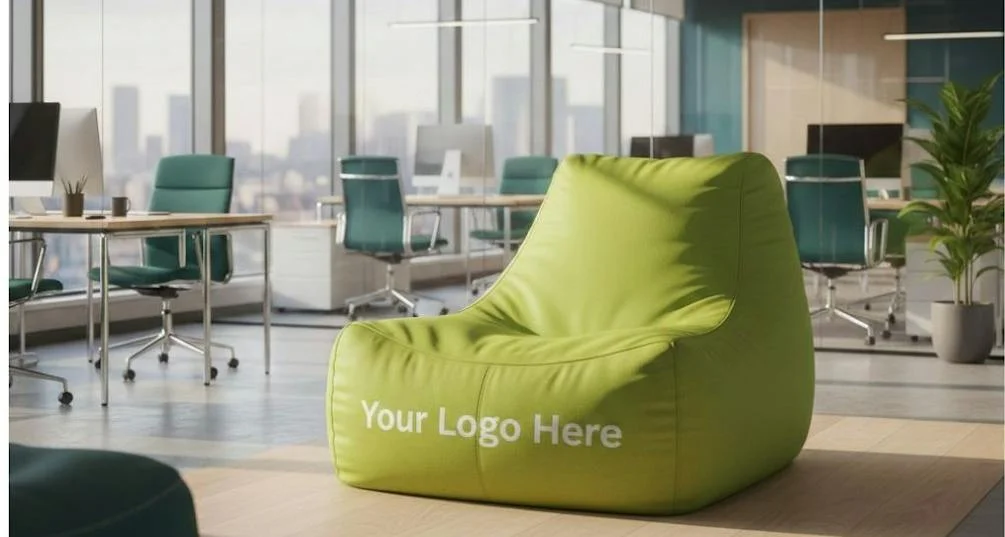
Not all beanbags belong in student flats. Professional, structured options now exist that suit corporate interiors without sacrificing comfort. These designs feature clean lines, sophisticated fabrics, and construction quality built for commercial environments.
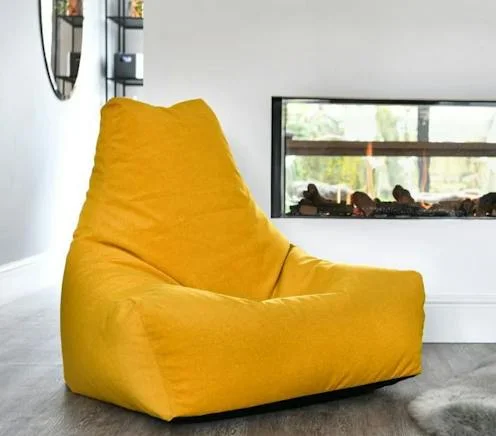
Colour selection matters for visual integration. Base tones of charcoal, stone grey, navy, or forest green work across most tech office aesthetics. For collaboration zones where energy and creativity are priorities, consider bold accents: teal, mustard, burnt orange, or coral. The goal is coherence with existing office decor while allowing personality in specific areas.
Material choices should balance aesthetics with practicality. Wipe-clean, stain-resistant fabrics suit high-traffic areas where spills happen. Textured weaves in quieter zones add warmth and sophistication. For terrace or balcony breakout spaces—increasingly common in modern Irish office buildings—weather-resistant outdoor-grade materials prevent damage from Irish conditions.
Durability features to look for include double-stitched seams, high-density filling that maintains shape through heavy use, and fire-retardant materials that comply with Irish workplace safety standards. These specifications separate commercial-grade products from consumer options that deteriorate quickly in office environments.
At Outdoor Living, we can advise on matching beanbags to your existing brand colours, flooring, and furniture including sofas, modular seating, and high tables. Our versatile collection includes options across the colour and style spectrum.
Shapes & Sizes: Matching Beanbags to Workstyles
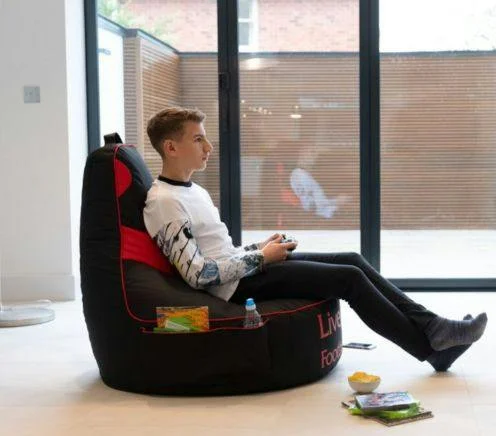
Different beanbag shapes serve different purposes. High-back “armchair-style” beanbags provide exceptional comfort and back support for laptop work—ideal for employees who want to work from breakout spaces, not just relax in them. Low pods suit casual lounging and informal chats where posture matters less than relaxation. Structured cubes offer flexible seating that can function as footstools, extra seats, or side tables.
Size considerations depend on your office space constraints. Compact models suit tight city-centre offices where every square metre counts. Oversized bags work better in larger suburban campuses with more generous floor space.
For each breakout zone, combining two or three shapes encourages variety in posture and use while maintaining visual cohesion. A cluster might include two high-back options for working, one large lounger for informal conversation, and a couple of cubes for flexibility.

Layout Tips: Integrating Beanbags with Existing Office Features
Position beanbags near but not in primary circulation paths. Bottlenecks frustrate employees and create safety concerns. Respect fire regulations in office buildings by maintaining clear routes to exits.
Layouts should complement existing features. Place beanbags near natural light sources—window-adjacent zones feel inviting and support wellbeing. Keep them away from noisy printer hubs and high-traffic corridors. Acoustic panels nearby help create quieter pockets within open-plan environments.
Grouping beanbags on area rugs visually “zones” breakout areas without adding walls or permanent structures. This approach works particularly well in open-plan tech spaces where flexibility matters and physical barriers would reduce the collaborative atmosphere.
Mix beanbags with more structured seating options—lounge chairs for those who prefer firmer support, small tables for laptops and coffee cups. Not everyone wants to sink into soft seating, and providing choice ensures breakout spaces remain inclusive.
Accent lighting and plants around beanbag clusters create inviting corners that reinforce employer brand. These Instagrammable moments matter for recruitment marketing and internal culture. A well-designed breakout space signals investment in employee experience.
Irish Context: Sourcing Office Beanbags in Ireland
At Outdoor Living, our showrooms let HR and office managers physically test beanbag comfort, feel fabric textures, and assess scale before committing to orders. This hands-on evaluation prevents surprises and ensures products match expectations. Our team understands what works in Irish office environments and can guide selections based on your specific requirements.
Delivery within Ireland typically takes just days, not weeks. For organisations wanting to pilot beanbag zones quickly or respond to emerging space needs, this responsiveness matters. We’re familiar with the logistics of office deliveries and can coordinate timing to minimise disruption.
Irish workplace culture has always valued informal connection—the chat over coffee, the conversation that happens naturally when people gather. Workplace chill out furniture supports these moments within your own premises, creating spaces where relationships develop organically and collaboration happens without scheduling.
Think of Outdoor Living as a partner for longer-term office evolution, not just a one-off purchase. As your needs change, we can help you expand, refresh, or reconfigure breakout seating to match.
Practical Implementation: Bringing Beanbags into Your Existing Office
You don’t need a complete office refit to introduce beanbags. Start small, learn what works, and scale based on evidence. Most successful implementations begin as modest pilots that prove their value before broader rollout.
Step-by-step approach:
- Audit current breakout areas—identify what’s working and what’s underused
- Map noise levels across your floor plan to find naturally quieter zones
- Locate underused corners with good natural light and reasonable proximity to teams
- Select one or two pilot zones for initial deployment
- Choose a mix of beanbag shapes that suit different use cases
- Monitor usage and gather feedback before expanding
Introduce beanbags without disrupting workflow by scheduling deliveries outside peak hours. Communicate changes clearly through internal channels so staff know what’s coming and why. Set simple expectations around noise levels and cleanliness to prevent issues before they arise.
In open-plan offices common across Irish tech companies, place beanbags near natural boundaries—windows, columns, or existing soft seating clusters. These positions create defined spaces without requiring physical barriers that would fragment the floor.
Including employees in the selection process builds buy-in and increases usage. Quick surveys on preferred colours, textures, and locations take minutes to create and generate useful data while signalling that you value staff input.
Pilot Program Blueprint for Beanbag Zones
Start with a six to eight week pilot in one floor or team area. Four to eight corporate-style beanbags plus a couple of small side tables provide enough variety to test different configurations without overwhelming the space.
Track simple metrics during the pilot:
- Occupancy counts at consistent times (morning, lunch, afternoon)
- Informal feedback from team members using the space
- Short before-and-after survey measuring satisfaction with breakout area seating
- Anecdotal observations about usage patterns and behaviours
Review data with leadership at the pilot’s end. Adjust quantities and layouts based on what you’ve learned. Scale successful configurations to other areas of the office with confidence backed by evidence.
Our team at Outdoor Living can support pilot planning with advice on appropriate quantities, layouts, and beanbag combinations suited to typical Irish tech office sizes. We’ve seen what works across various implementations and can share relevant insights.
Document your pilot with photographs and short employee quotes. This material supports wider rollout proposals and future budget requests. Visual evidence of employees actually using and enjoying spaces speaks louder than abstract arguments.
Conclusion: Turning Soft Seating into a Hard Business Advantage
Office beanbags support the collaboration, creativity, and wellbeing that Irish tech companies need to thrive. They create natural spaces for informal interaction, provide environments where psychological safety can flourish, and signal a culture that values employee experience alongside productivity.
The ROI narrative is clear. Improved engagement scores, better retention of expensive-to-replace tech talent, and a stronger in-office experience that makes commutes feel worthwhile—these benefits compound over time. A modest investment in quality breakout area seating delivers returns that far exceed its cost.
Whether you’re exploring office beanbags Ireland options for the first time or looking to upgrade existing workplace chill out furniture, the path forward starts with understanding your space and your team’s needs. Assess your current breakout spaces honestly. Identify the gaps. Consider what comfortable, flexible, professional seating could do for your culture.
Visit Outdoor Living’s showrooms to experience our range of corporate-friendly beanbags firsthand, or contact our team for tailored recommendations based on your office layout and requirements. Small, well-designed changes in seating can unlock a more creative, resilient tech culture—exactly what Ireland’s competitive market demands.
Related posts