

Smart Heating Thermostats
- Colette Lenehan
- Heaters
- 1 Jan 2024
- Reading time: 10 minutes
What Are Smart Heating Thermostats?
Smart heating thermostats are Wi-Fi connected devices that replace traditional heating controls, enabling remote temperature management through smartphone apps and internet connectivity. Unlike a conventional room thermostat, which requires manual adjustment to set the temperature in a specific room or zone, these advanced systems automatically optimize heating schedules based on occupancy patterns, weather conditions, and user preferences.
The core functionality centers on internet connectivity, allowing users to control their heating system from anywhere with a data signal or Wi-Fi connection. This remote control capability extends beyond simple temperature adjustments to include detailed energy usage reports, customizable schedules, and integration with broader smart home ecosystems. When it comes to installation, a wired thermostat is a common option for new builds, as it is hardwired directly to the heating system for reliable operation and often requires professional installation.
Modern smart thermostats connect seamlessly with popular voice assistants including Amazon Alexa, Google Home, and Apple HomeKit, enabling voice commands for hands-free temperature control. This integration transforms heating management from a manual task into an automated, intelligent system that responds to verbal instructions like “set living room to 20 degrees.”
The fundamental difference between smart thermostats and traditional programmable units lies in their connectivity and learning capabilities. Smart heating controls, a broader category that includes smart thermostats, offer advanced features such as self-learning, remote management, and integration with other smart devices. While programmable thermostats require complex manual programming that many users never complete correctly, smart devices automatically create optimized schedules based on detected usage patterns and can be easily adjusted through intuitive mobile interfaces. Smart thermostats work to achieve your desired temperature efficiently, ensuring comfort while maximizing energy savings.
Types of Smart Thermostats
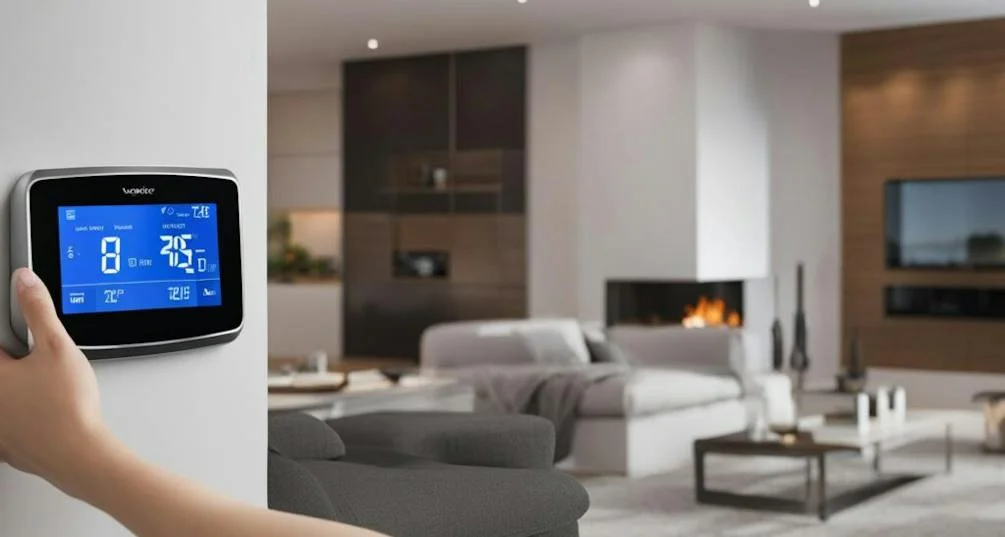
Smart thermostats are available in several types, each designed to suit different home heating needs and preferences.
- Wireless smart thermostats (such as the Hive Thermostat): Offer maximum flexibility and are easy to install, making them ideal for homes where running new wires is impractical. These wireless options are especially popular for retrofitting older properties or for users who want a straightforward upgrade to their heating system.
- Wired smart thermostats: Provide a stable, hardwired connection to the heating system. This type is often chosen for new builds or major renovations, where wiring can be easily integrated into the home’s infrastructure.
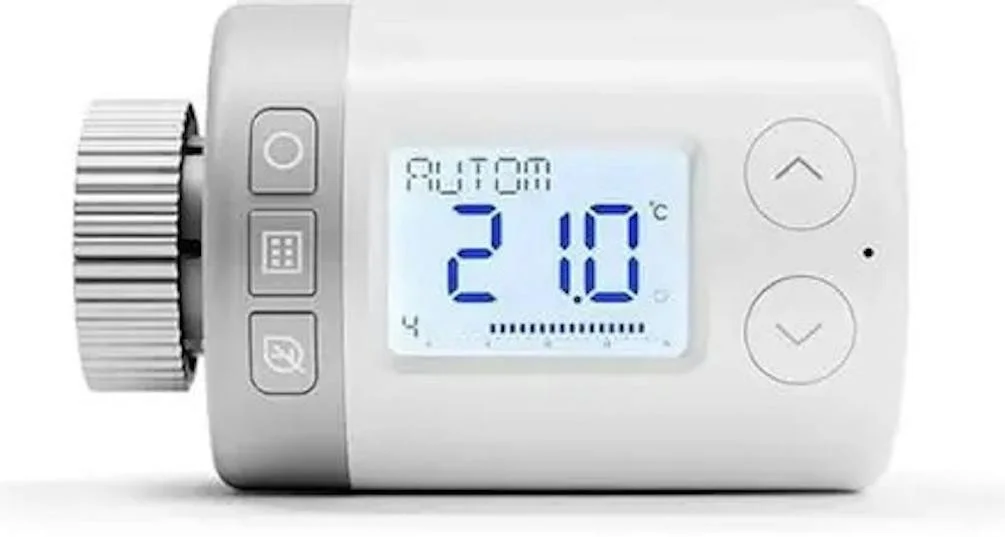
- Smart radiator valves: Smart radiator valves are motorized devices that replace manual radiator controls, allowing for individual room temperature management. These devices enable zoned heating, allowing you to control the temperature in individual rooms rather than relying on a single central thermostat. Zoned heating is particularly beneficial for larger homes or properties with underfloor heating systems, as it provides greater control and helps optimize comfort and efficiency throughout the house.
Smart thermostats are compatible with a wide range of heating systems, including:
- Combi boilers (combination boilers that provide both heating and hot water directly from the boiler without the need for a separate hot water cylinder)
- System boilers (boilers that work with a separate hot water cylinder to store hot water for use)
- Underfloor heating systems
- Modern heat pumps
By choosing the right type of smart thermostat and integrating smart radiator valves where needed, homeowners can achieve precise control over their home heating, reduce energy waste, and enjoy a more comfortable living environment.
How Smart Heating Thermostats Work
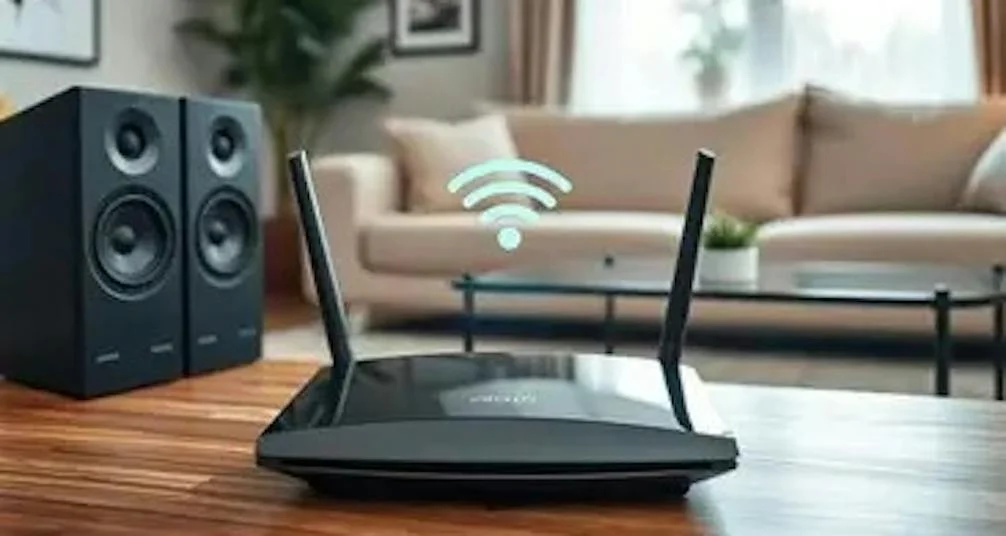
Smart heating thermostats operate through a sophisticated network of sensors, algorithms, and wireless communication protocols that create an intelligent heating control system. The foundation begins with Wi-Fi connectivity, linking your heating system to the internet for remote access and control through dedicated smartphone apps.
Sensor Technologies
At the hardware level, these devices incorporate multiple sensor technologies including:
- Temperature sensors for accurate ambient readings
- Humidity sensors for comprehensive climate monitoring
- Occupancy detection through motion sensors
- Advanced models may include proximity sensors and air quality monitors that contribute to overall system intelligence
Learning Algorithms
Learning algorithms represent the “smart” element that distinguishes these devices from basic programmable alternatives.
Over time, the thermostat analyzes user behavior patterns, noting when temperatures are manually adjusted, which rooms are occupied during specific periods, and how the home responds to different heating schedules. This data enables automatic schedule creation that adapts to household routines without constant user input.

Mobile App Interfaces
Mobile app interfaces serve as the primary control mechanism, providing:
- Real-time temperature monitoring
- Energy usage tracking
- Schedule management capabilities
These applications typically include features like geofencing (a technology that uses your smartphone’s location to automatically adjust heating when residents leave or approach the home), and weather integration that modifies heating patterns based on outdoor temperature forecasts. Users can also view their heating history within the app, allowing them to analyze past heating patterns, monitor usage, and make informed adjustments to optimize energy consumption.
Wireless Communication
Communication with your boiler system occurs through wireless receivers that interpret signals from the main thermostat unit. Most systems use encrypted data transmission to ensure secure communication between the smartphone app, internet servers, and heating controls. The thermostat sends switching signals to activate or deactivate heating based on temperature readings and programmed schedules.
Benefits of Smart Heating Thermostats
Energy Savings
- Properly configured systems typically reduce heating costs by 10-23% annually.
- Savings result from optimized scheduling that eliminates unnecessary heating during unoccupied periods and automated temperature adjustments based on weather conditions and occupancy patterns.
Convenience
- Remote control capabilities mean you can adjust heating while traveling, ensure a warm home before arrival, or quickly modify temperatures without leaving your bed.
- Voice control through smart speakers like Amazon Alexa or Google Assistant enables hands-free temperature adjustments throughout the day.
Detailed Energy Reports
- Most smart thermostats generate comprehensive analytics showing daily, weekly, and monthly energy consumption.
- Comparative data highlights the impact of schedule changes or weather variations, helping users make informed decisions about heating efficiency and identify opportunities for additional savings.
Geofencing
- Geofencing is a technology that uses your smartphone’s location to automatically adjust heating settings when you leave or approach your home.
- The system can detect when all household members have left and automatically reduce heating, then begin pre-heating before the first person returns home.
Enhanced Comfort
- Consistent temperature control and the ability to create customized heating zones throughout larger homes.
- Smart radiator valves work in conjunction with central thermostats to provide room-by-room temperature management, addressing common issues like cold bedrooms or overheated living areas that plague traditional single-zone systems.
- Many smart thermostats and radiator valves also include frost protection features, which help prevent pipes from freezing during cold weather, adding an important layer of safety for your home.
Top Smart Heating Thermostat Models
The best smart thermostats include several standout models that balance advanced functionality with user-friendly operation. Each leading brand offers distinct advantages depending on specific household requirements, existing heating system compatibility, and the need for add-ons such as smart radiator valves or subscription-based features to expand system performance. Many models also support hot water tank control, offering improved convenience and energy management.
Compatibility with Heating Systems
Smart thermostat compatibility varies significantly across different heating system types, making pre-purchase verification essential for successful installation and operation. Most modern devices work well with standard gas boilers, but specific system configurations may require additional components or professional modifications.
- Combi boilers: Combination boilers that provide both heating and hot water directly from the boiler without the need for a separate hot water cylinder. Most smart thermostats are compatible with these systems.
- System boilers: Boilers that work with a separate hot water cylinder to store hot water for use. Smart thermostats can typically integrate well, though hot water timing may require separate smart controls for complete system management.
- LPG and oil boilers: Integration follows similar principles to gas systems but may require qualified installation for oil-fired boilers to maintain safety certifications and insurance compliance.
- Heat pumps: These systems operate differently from traditional boilers and work most efficiently with consistent, moderate temperature settings. Smart thermostats designed for heat pump operation include specialized algorithms that optimize efficiency while maintaining comfort levels.
- Electric boilers: Support varies by manufacturer, with some smart thermostats offering direct compatibility while others may require additional relay switches.
- Storage heaters: Present particular challenges due to their overnight charging cycles and daytime heat release patterns, making them generally unsuitable for standard smart thermostat control without significant system modifications.
Incompatible systems include solid fuel boilers, biomass systems, and certain proprietary control systems. These systems either lack the necessary control interfaces or operate on specialized protocols that standard smart thermostats cannot accommodate.
Installation and Setup Process
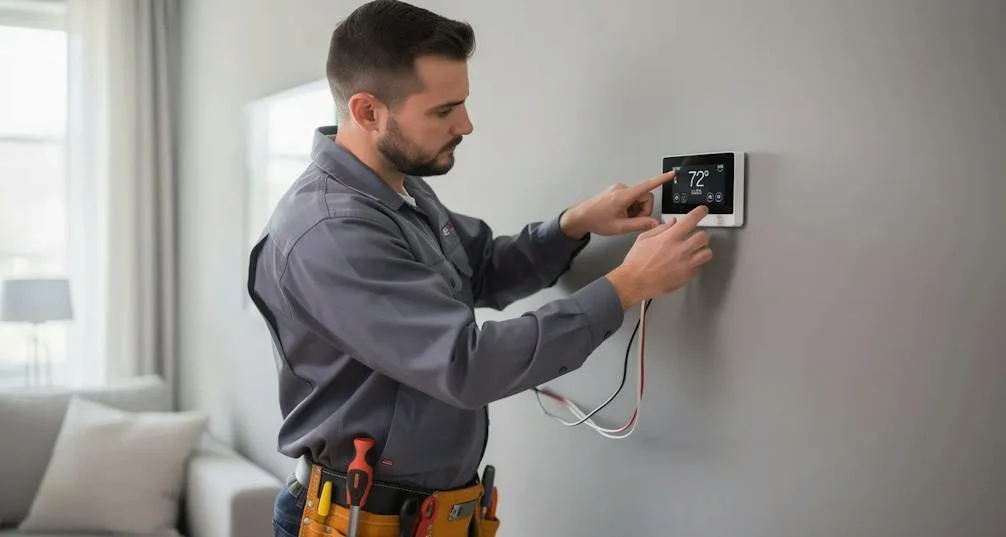
Professional installation represents the recommended approach for most smart thermostat installations, with costs depending on system complexity and local labor rates. Qualified heating engineers ensure proper wiring connections, system compatibility verification, and initial configuration that maximizes device functionality.
Heating Control and Scheduling
One of the standout advantages of smart thermostats is their advanced heating control and scheduling capabilities. Devices like the Hive Thermostat Mini empower users to:
- Create daily schedules
- Set the perfect temperature for different times of day
- Make adjustments on the go using a smartphone app
This level of control means your heating system only runs when you need it, helping to reduce energy consumption and lower heating costs.
Smart thermostats can also learn your daily routine, automatically adjusting the heating to match your lifestyle. For example, if you typically leave for work at 8 a.m., the system can lower the temperature after you leave and ensure your home is warm again by the time you return. Features like holiday mode allow you to set your heating to a lower setting while you’re away, preventing unnecessary energy use and saving you money.
Manual override buttons and the ability to adjust settings remotely provide additional flexibility, so you can always ensure your home is at the perfect temperature, no matter how your plans change. By leveraging these scheduling features, users can optimize their heating system’s performance, minimize energy waste, and enjoy greater comfort—all while keeping energy bills in check.
Voice Control and Geo-Fencing
Modern smart thermostats take convenience to the next level with voice control and geo-fencing features.
- Voice control: Adjust your heating system using simple voice commands through smart speakers or assistants like Amazon Alexa and Google Assistant. This hands-free approach makes it easy to change the temperature, check your heating status, or activate specific routines without lifting a finger.
- Geo-fencing: Geofencing is a technology that uses your smartphone’s location to manage your heating automatically. When you leave home, the smart thermostat can lower the temperature to save energy, and when you’re on your way back, it can start warming up your home so it’s comfortable when you arrive. This is especially useful for households with unpredictable schedules, as it ensures you never waste energy heating an empty house.
Some platforms will provide detailed energy usage reports, allowing you to track your energy consumption and make informed decisions about your heating settings. By combining voice control, geo-fencing, and real-time energy monitoring, smart thermostats offer a powerful toolkit for reducing heating costs, saving energy, and maintaining optimal comfort in your home.
Smart Home Integration Features
Voice Control Compatibility
Voice control compatibility represents one of the most popular smart home integration features, with support for Amazon Alexa, Google Assistant, and Apple HomeKit across most premium models. These integrations enable hands-free temperature adjustments through natural language commands, making heating control as simple as speaking to nearby smart speakers or smartphone assistants.
Smart Radiator Valves
Smart radiator valves provide room-by-room temperature control when integrated with compatible smart thermostats. Add-ons such as additional radiator valves or subscription-based features can further customize and enhance your smart heating setup, especially in larger or more complex homes. These devices replace traditional manual radiator valves with motorized versions that respond to central scheduling and individual room requirements. The combination enables sophisticated zoned heating that minimizes energy waste while ensuring optimal comfort in occupied areas.
Geofencing Technology
Geofencing technology uses smartphone GPS location data to automatically adjust heating based on household occupancy. The system creates virtual boundaries around the home, typically within 1-2 kilometers, and begins pre-heating when residents approach while switching to away modes when everyone leaves. Multi-user geofencing accounts for households with multiple smartphones, ensuring heating adjustments only occur when all registered users have departed.
Smart Home Routines
Smart home routines link heating control with other connected devices to create comprehensive automation scenarios. For example, a “goodnight” routine might simultaneously dim smart lights, lock smart door locks, and reduce heating temperatures. Similarly, morning routines can coordinate heating increases with coffee machine activation and automated blind opening. As part of a suite of smart heating controls, these integrations deliver comprehensive home comfort and energy efficiency